Good Good Golf Faces Major Fallout Over Controversial Ad, Sparking Debate on Corporate Response
A popular YouTube golf channel's advertisement misstep has led to significant corporate repercussions, raising questions about the severity of the industry's reaction.
Sports·
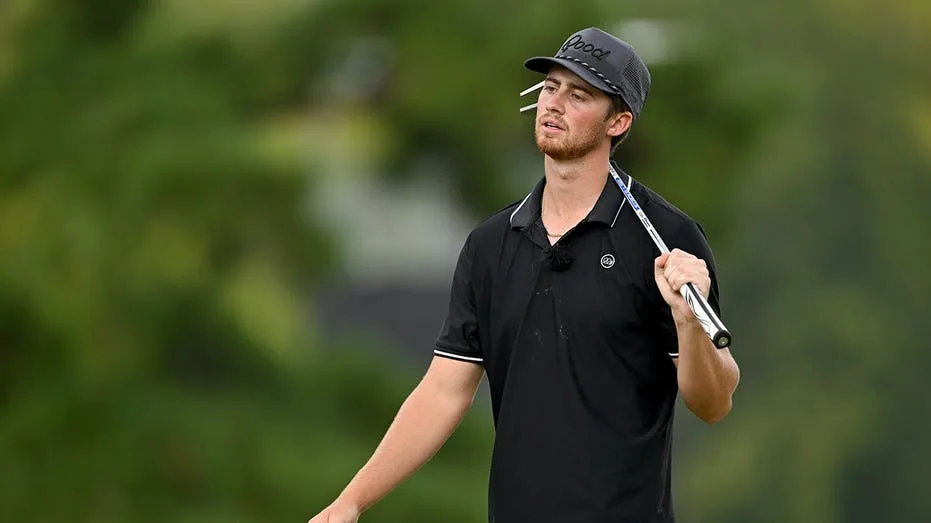
Not long ago, Good Good Golf held a prominent position as a leading brand captivating younger audiences interested in the sport. Its widespread appeal naturally attracted partnerships with significant golf brands and their well-known personalities. Collaborations included Callaway Golf for the development of putters, golf clubs, and golf balls. Additionally, Good Good Golf's branded clothing was available at major retailers, including WorldWide Golf Shops stores like Roger Dunn in Southern California, online through platforms such as Target, and in most Dick’s Sporting Goods and Golf Galaxy outlets.
This status, however, has recently come under intense scrutiny.
Over the last week, Good Good Golf found itself embroiled in a significant golf controversy stemming from an advertisement intended to promote a co-branded version of Callaway’s latest driver. The commercial aimed to be a parody of the popular film "Obsession" but was widely criticized for its poor conception and execution. The ad depicted Garrett Clark, a co-founder of Good Good, pushing a woman named Alexis Miestowski to the ground while stating, "do not touch my new driver."
The advertisement was undeniably misguided and demonstrated poor judgment, warranting its immediate removal. Public outcry quickly followed, with viewers condemning the depiction of a man physically pushing a woman. The video was promptly taken down, and the group subsequently released a statement acknowledging that the content did not align with their brand's principles.
"We posted a video to our channels that ultimately depicted actions that are not aligned with our values as a brand," the statement said. "We have since taken that content down. And sincerely apologize. Good Good has always stood for making the game of golf more inclusive to all, and we will continue to ensure that is our mission moving forward."
Initially, Callaway Golf appeared to distance itself, expressing "disappointment" in the video. However, in a subsequent statement issued at 1 a.m. Eastern, the club manufacturer confirmed its approval of the advertisement's release, an admission that, while not entirely unexpected, carried significant weight.
The fallout from the controversy quickly spread. The premiere of "Big Break X Good Good," a new program slated for the Golf Channel, was postponed after title sponsor Golf Galaxy reportedly requested the removal of its branding from the broadcast. This initial setback proved to be only the beginning of broader repercussions.
Corporate Reactions and Event Uncertainty
Reports emerged on Wednesday indicating that major retailers, including Dick's Sporting Goods, Golf Galaxy, and PGA Tour Superstore, had removed Good Good Golf merchandise from their inventory. Speculation also arose regarding the potential cancellation of the Good Good Championship, a PGA Tour event sponsored by the group, scheduled to take place at Omni Barton Creek Resort & Spa’s Fazio Canyons Course in Austin, Texas.
This week, Brian Rolapp, the new CEO of the PGA Tour, addressed the situation directly, expressing his disappointment with how the advertisement and its aftermath unfolded.
Commenting on the company's initial handling of the backlash, Rolapp stated:
"I think initially no. I think what we saw was concerning, is clearly not aligned with PGA TOUR values. We take it very seriously. I think their initial response was disappointing. It was a bit defensive and late. But I think the responses are getting better. I think we've seen some things this morning, we've had some conversations with them, so we'll continue to monitor and work with them going forward. But no, we were disappointed with what we saw."
When questioned about the upcoming tournament, Rolapp characterized the situation as "fluid."
He elaborated:
"I think I mentioned before, it's a bit of a fluid situation. We were disappointed at first. It sounds like in the last 24 hours they've made some progress. We'll continue to monitor the situation and see how it develops."
However, many observers contend that the reaction to the advertisement has escalated disproportionately.
Assessing the Severity of the Response
There is little disagreement that the advertisement was fundamentally flawed and should never have been conceptualized, filmed, edited, or ultimately approved. The perplexing aspect remains how the ad navigated multiple stages of approval without anyone flagging its problematic nature, a fact that is difficult to defend. The act of a man pushing a woman to the ground is inherently inappropriate, even within the context of a movie parody.
Nevertheless, questions arise regarding the extent of the punitive measures: the removal of merchandise from retail shelves, the cancellation of television shows, and the withdrawal of title sponsorships. Critics ask if these reactions imply an endorsement of domestic violence or aggression against women, or a message that women should not participate in golf, especially considering the group operates a dedicated YouTube channel titled "Good Good Girls."
On Wednesday, Clark released an extensive video on X (formerly Twitter), where he discussed the ad's underlying concept, expressed regret for his involvement, and detailed the marketing team's initial pitch. He accepted responsibility for the ad's poor appearance, reiterated that it was ill-conceived from the outset, and confirmed that the physical interaction with the woman was not real.
While a temporary delay in a show's release for a week might be a reasonable response, the idea that Good Good should be permanently ostracized from the golf community seems excessive. It is unlikely that young fans will cease watching Good Good Golf due to a single misguided advertisement. The realm of YouTube Golf continues its expansion, offering significant value despite some traditional golf enthusiasts' reservations. It serves as a vital entry point, drawing new demographics into the sport, many of whom subsequently follow PGA Tour events and other competitions, potentially becoming lifelong fans.
Although Good Good Golf undeniably made an error, the intense corporate backlash appears to many as an exaggerated response, reminiscent of "cancel culture" tendencies that many hoped were waning. While some observers might find such reactions from Rolapp, given his background, less surprising, the scale of response from other retailers is often deemed disproportionate.
A critical point raised is the lack of comparable repercussions for Callaway. Will Golf Galaxy and PGA Tour Superstore remove Callaway products from their shelves for approving the ad's release? This is considered highly improbable, given Callaway's substantial revenue generation for these retailers through the sale of clubs and golf balls. This perceived disparity suggests the reactions may be more performative, as the most significant entity involved faces no equivalent consequences.
In conclusion, Good Good Golf certainly merits criticism for the advertisement; it was, by their own acknowledgment, objectively poor. However, the question of whether the group should face permanent exclusion from the golf world elicits a firm negative response from many.
Related Stories
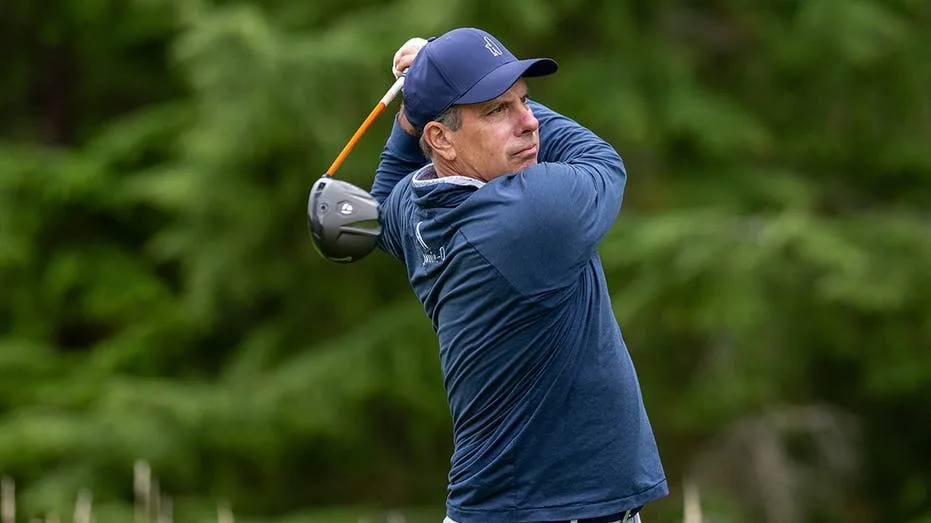
PGA Tour Champions Golfer Matt Gogel Suspended Six Months for Betting on Tour Events
PGA Tour Champions player Matt Gogel has been suspended for six months due to betting on PGA Tour competitions. Gogel stated he made "small recreational wagers" without realizing he was violating the tour's integrity
Aug 27
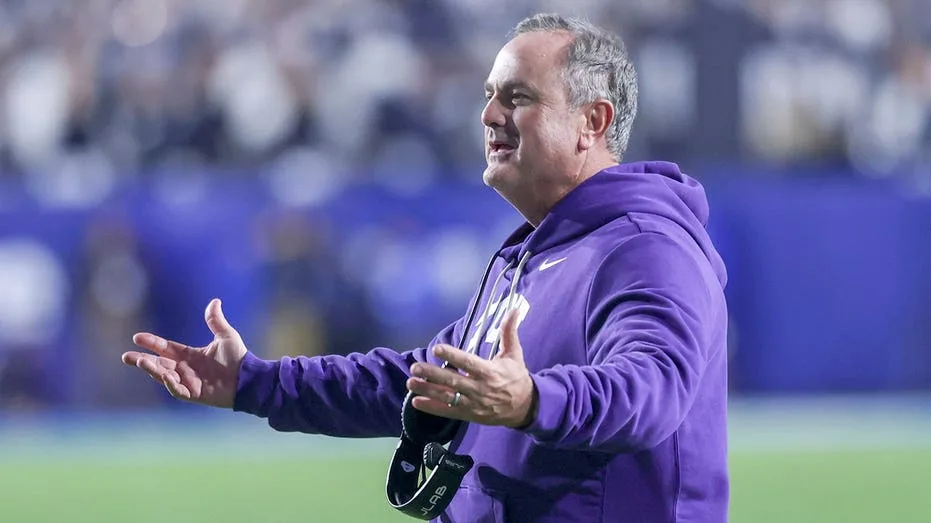
TCU Revokes Newspaper's Credentials Following Locker Room Assault Report
The Fort Worth Star-Telegram's credentials to cover TCU athletics were revoked after its reporting on a locker room assault. Athletic Director Mike Buddie cited concerns for student-athlete well-being, claiming
Aug 27
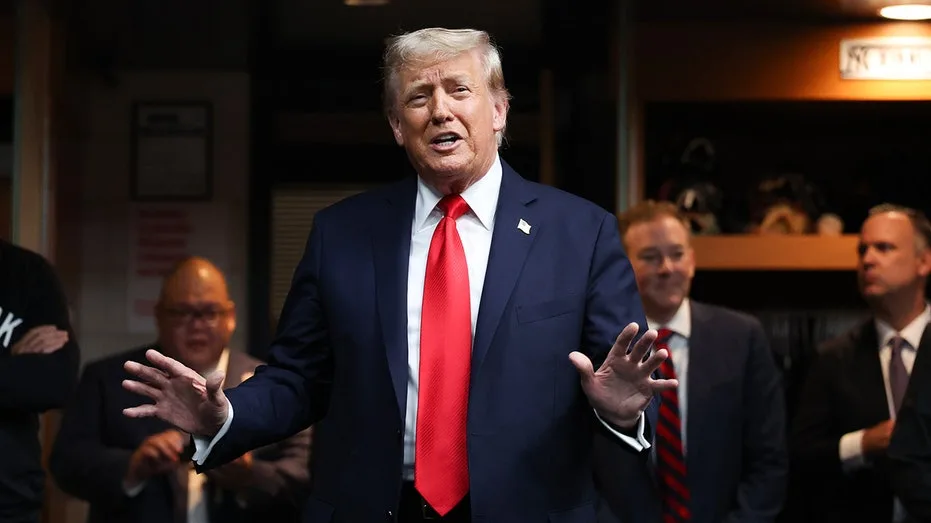
Former President Questions MLB's Direction While Advocating for Roger Clemens' Hall of Fame Bid
Donald Trump has publicly expressed his views on Major League Baseball, criticizing its current challenges and advocating for Roger Clemens' Hall of Fame inclusion. He also commented on labor talks and Commissioner Rob
Aug 27
NFL Reminds Clubs: Players Returning to College Ineligible for Pro Contracts This Season and Future Drafts
The NFL has issued a reminder to its clubs regarding eligibility rules for players returning to college football. Those released from professional contracts who re-enroll in collegiate programs this season or for 2026
Aug 27