Lindsay Clancy Jury Deadlocked After Six Days Amid Juror Dispute, Deliberations to Resume Friday
The jury in the Lindsay Clancy murder trial concluded its sixth day of deliberations without a verdict, as a dispute involving a single juror emerged.
U.S.·
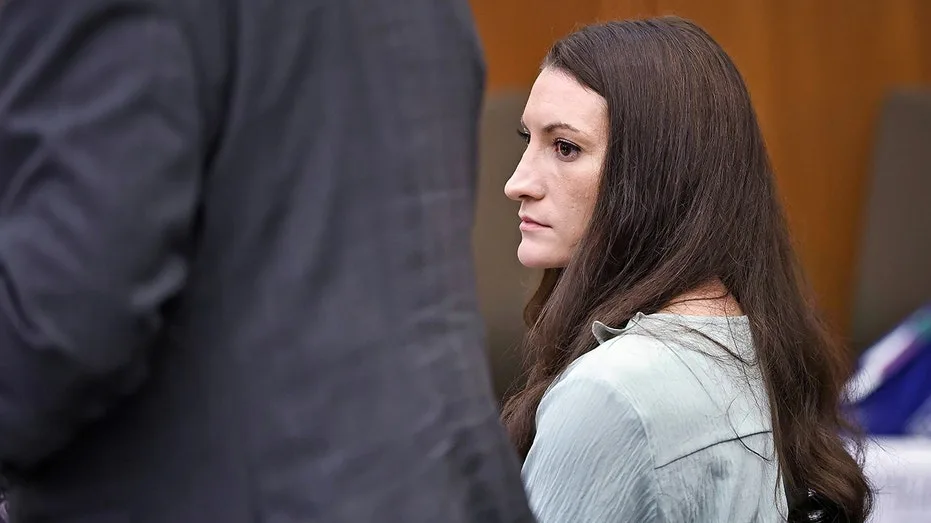
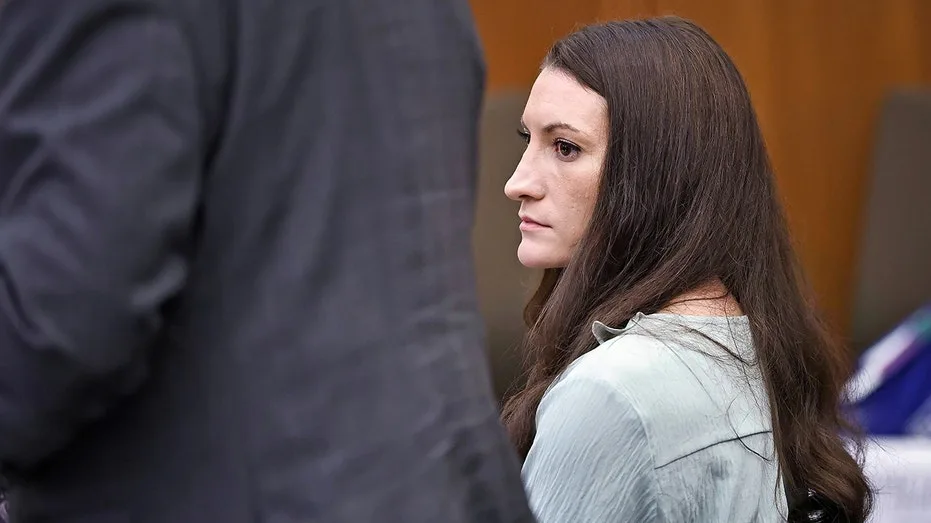
Deliberations in the high-profile trial of Lindsay Clancy concluded its sixth day Thursday without a verdict, as a significant dispute involving one juror led to a reported deadlock. The 12-member panel, comprising nine women and three men, is slated to reconvene Friday, when Judge William Sullivan is expected to address the ongoing disagreement.
Earlier on Thursday, defense attorney Kevin Reddington made an unsuccessful attempt to have a juror removed. This motion followed a report from the foreperson indicating that the juror in question was refusing to adhere to the court's instructions regarding reasonable doubt.
Reddington expressed concern that the trial might conclude without a resolution due to a juror who, he stated, had "spurned the instructions" provided by the court.
Prosecutors opposed the removal, arguing that such an action would necessitate an improper examination of the jury's private deliberations, making it impossible to ascertain the validity of the claims. They maintained that Judge Sullivan had appropriately handled the situation by questioning jurors on their ability to follow legal principles and by re-issuing instructions on reasonable doubt.
Judge Sullivan ultimately denied the defense's request, describing the removal of a deliberating juror as a "sensitive undertaking" and emphasizing that the court could not interfere with the jury's internal discussions.
Jury Reports 11-1 Split
Following the court's decision, Reddington disclosed that a subsequent note from the jury suggested a significant 11-to-1 split in their current positions.
"When a note that the judge already has says that there are 11 jurors that have made a decision and one juror will not apply reasonable [doubt]..." Reddington remarked.
The specific leaning of the 11 jurors or the holdout juror's stance remains undisclosed by the note.
Reddington confirmed that Judge Sullivan intends to conduct an inquiry into the matter at 9 a.m. on Friday. Should the jurors again declare their inability to reach a unanimous decision, the case could result in a mistrial.
The defense attorney anticipates that the arguments surrounding the jury issue will take place in open court, rather than during a private sidebar discussion.
Defense Prepared for Potential Retrial
When questioned about the possibility of a retrial potentially favoring the prosecution, Reddington offered a direct response.
"Bring it," he stated, asserting that his witnesses and evidence are fully prepared. "I got witnesses lined up. We’re all set. Dr. Resnick is ready. I’m ready. We’ve got all our evidence. Witnesses are available, so let’s go."
Reddington speculated that prosecutors might seek to postpone another trial for "six months or a year," but he indicated his team would be ready to proceed swiftly. Regarding the prospect of a plea agreement, he deferred to Plymouth County District Attorney Timothy Cruz.
"Let’s see what Mr. Cruz wants to do, and then we’ll talk about our options," Reddington commented.
Background of the Case
Clancy, who is 36 years old, is charged with three counts of first-degree murder. These charges stem from the deaths of her three young children—Cora, Dawson, and Callan—all under the age of six, who were discovered strangled in the family's Duxbury, Massachusetts, home in January 2023.
Clancy does not dispute that she was responsible for their deaths. The central question for the jury to resolve is whether she was criminally responsible for her actions at the time of the incident.
Prosecutors contend that Clancy acted with an understanding of her actions and should be held accountable for the children's deaths. Conversely, her legal team argues that she was suffering from postpartum psychosis, which rendered her unable to comprehend the wrongfulness of her conduct or to conform her behavior to legal standards.
The jury is tasked with considering several potential verdicts, including first-degree murder, second-degree murder, voluntary or involuntary manslaughter, not guilty by reason of lack of criminal responsibility, or a straightforward not guilty verdict.
Related Stories
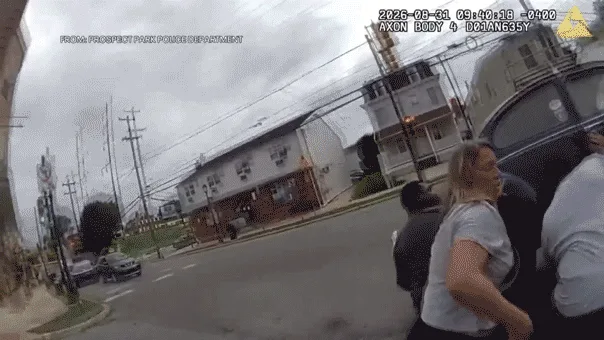
Community Members, Officers Lift Car to Free Woman Pinned After E-Bike Crash in Pennsylvania
In Prospect Park, Pennsylvania, a 44-year-old woman survived an e-bike crash after bystanders and police lifted a Volkswagen Beetle off her. The incident, captured on video, highlights community heroism and raises
Sep 4
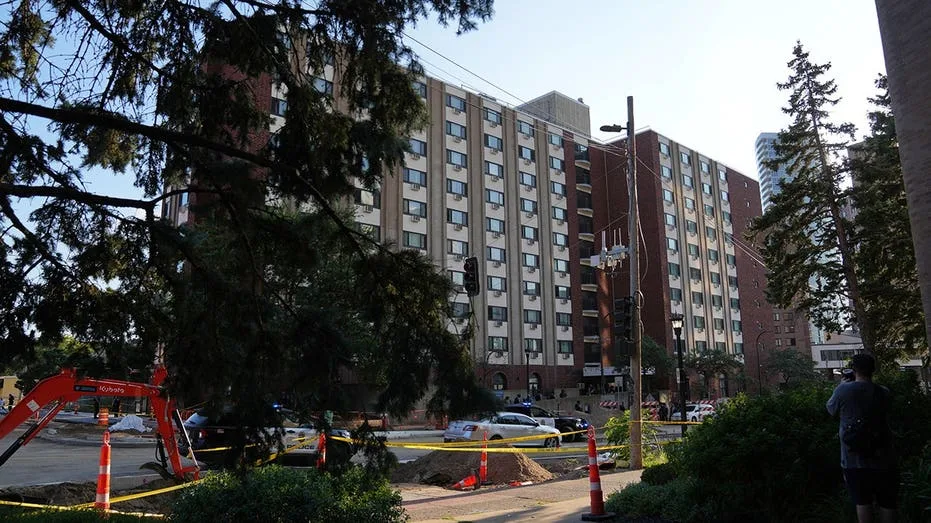
Officials Release Identities of Victims, Injured Officers in Minneapolis Apartment Shooting
Minnesota officials have identified the two civilians killed, Dale Henry Spry and Muse A. Afrah, and two police officers injured in a recent Minneapolis apartment shooting. The incident also involved the death of the
Sep 4
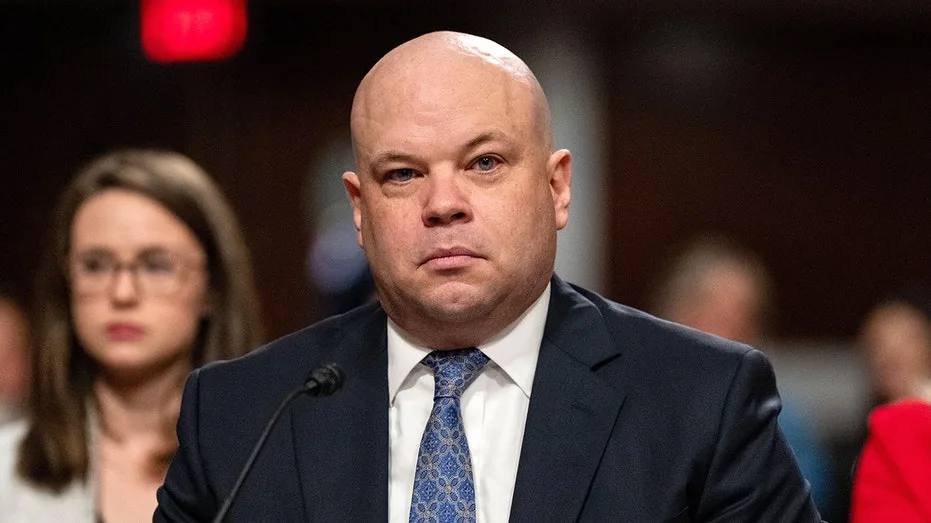
President Trump Appoints Adam Telle as Acting Secretary of the Army Following Dan Driscoll's Resignation
President Donald Trump has named Adam Telle, the current Assistant Secretary of the Army for Civil Works, as the acting Secretary of the Army. This appointment follows the resignation of Dan Driscoll and aims to fill a
Sep 4
Social Media Could Reshape Lindsay Clancy Retrial Dynamics, Retired Judge Suggests Amid Jury Deadlock
With jurors in the Lindsay Clancy murder trial reporting a second deadlock, a retired judge suggests that social media could dramatically alter the landscape of a potential retrial, potentially benefiting the defense
Sep 3