Rare Tick-Borne Powassan Virus Cases Reach Record Highs in US, Posing Deadly Threat
A severe tick-borne illness with rapid transmission and a high fatality rate in advanced cases has seen an unprecedented surge in diagnoses across the United States.
Health·
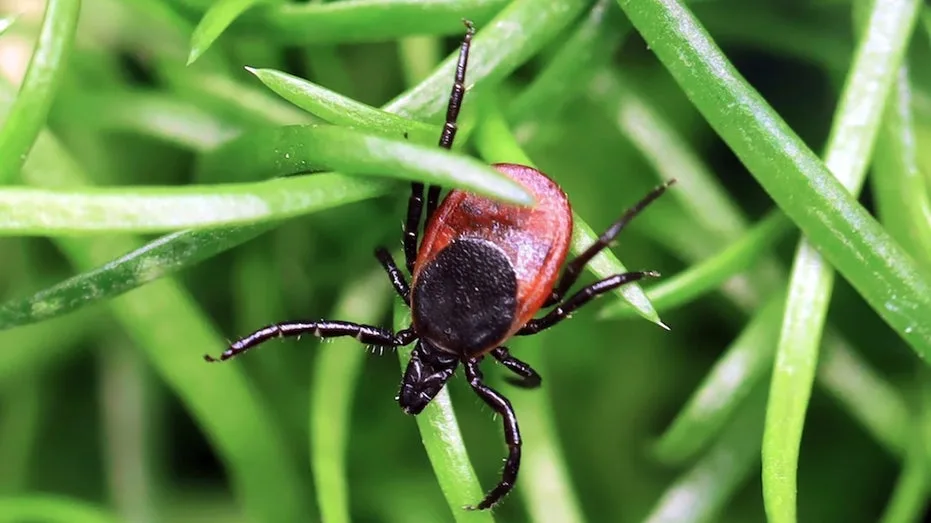
A rare and potentially lethal tick-borne disease, currently experiencing a surge in the United States, has historical roots tracing back to a 1958 case involving a young boy on a Canadian farm.
The illness, identified as Powassan virus (POWV), derives its name from the Ontario community where it was first documented.
In 1958, Lincoln Byers, a four-year-old residing in Canada, succumbed to an unexplained medical condition, as reported by the Boston Globe. Years later, researchers made a pivotal discovery: a tick carrying the identical virus was found on a deceased squirrel. This finding not only provided an explanation for the tragic loss but also signaled an emerging challenge for public health.
Record Increase in Cases
What was once considered an uncommon medical anomaly, the Powassan virus has now reached unprecedented levels in the U.S., according to recent data.
The Centers for Disease Control and Prevention (CDC) reported 76 diagnoses of the virus among Americans in 2025, marking the highest annual total ever recorded. Historically, the United States typically saw an average of only seven to eight diagnoses each year.
The virus is primarily transmitted to humans through the bite of an infected woodchuck tick or deer tick. Similar to other illnesses carried by ticks, Powassan is most prevalent from late spring through mid-fall, a period when tick populations are at their peak and outdoor activities increase.
Rapid Transmission and Severe Symptoms
Public health experts are issuing warnings about the virus's unique danger, attributing it to its rapid transmission speed.
"Powassan can be transmitted in as little as 15 minutes after the infected tick bites, while Lyme disease usually requires a 36- to 48-hour attachment time for transmission."
One expert, Parada, emphasized that while Powassan remains less common than Lyme disease, its clinical implications are a significant concern.
Initial symptoms of the infection can include fever, headache, vomiting, and weakness, though some individuals may remain asymptomatic, according to the CDC.
The virus can advance to severe neurological complications, such as encephalitis, which is inflammation of the brain, and meningitis, an inflammation of the membranes surrounding the spinal cord.
In advanced stages, patients may experience confusion, impaired coordination, speech difficulties, and seizures, as detailed by the CDC.
Prognosis and Treatment Limitations
Approximately 10% of Powassan cases that involve severe neurological disease prove fatal. Furthermore, many individuals who survive these severe infections often contend with long-term neurological impairments.
Currently, there are no specific antiviral medications or vaccines available to treat or prevent the Powassan virus. Medical care for patients is limited to supportive therapies, such as administering intravenous fluids and providing respiratory assistance.
While anyone can develop a severe form of the illness, experts caution that children, older adults, and individuals with compromised immune systems face the highest risk.
Related Stories

Cancer Treatment Wait Times Surge Across US, Study Reveals Significant Delays
A recent study published in JAMA Surgery highlights a concerning trend: cancer patients in the U.S. are waiting significantly longer to begin treatment. Delays have increased by nearly two weeks over the past decade,
Aug 17
Waist Measurement May Uncover Hidden Heart Risks Beyond BMI, New Research Suggests
New research suggests waist measurements are a more accurate indicator of heart health than BMI alone. A major study found individuals with normal BMI but larger waists faced significantly higher risks of cardiovascular
Aug 16

Daily Stair Climbing Linked to Dramatically Lower Risk of Dying from Heart Disease, Study Finds
A recent analysis indicates that regularly climbing stairs is associated with a 39% lower risk of cardiovascular disease mortality and a 24% lower risk of death from any cause. This accessible habit offers significant
Aug 15

Extensive Study Links Birth Order to 150 Health Conditions Among Siblings
Researchers from the University of Chicago and Columbia University analyzed two decades of medical data from 10 million U.S. siblings, identifying 150 health conditions significantly associated with birth order,
Aug 13