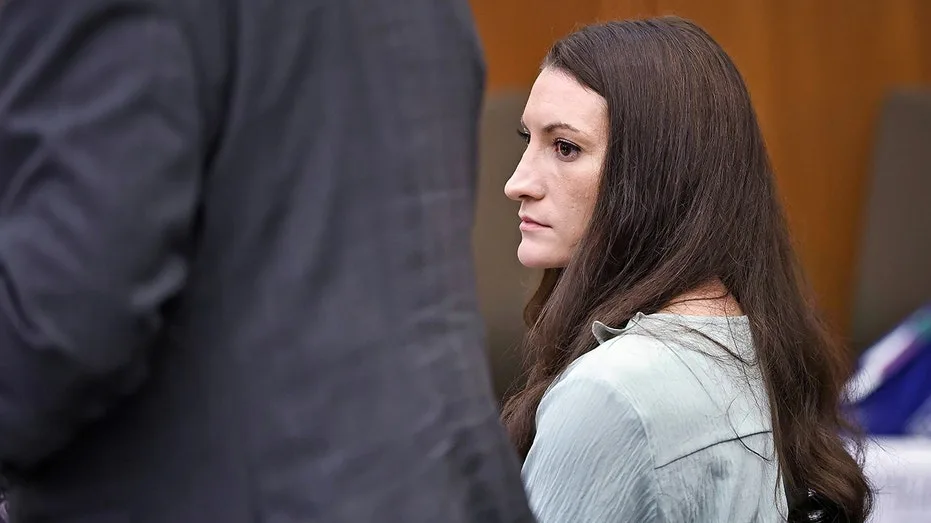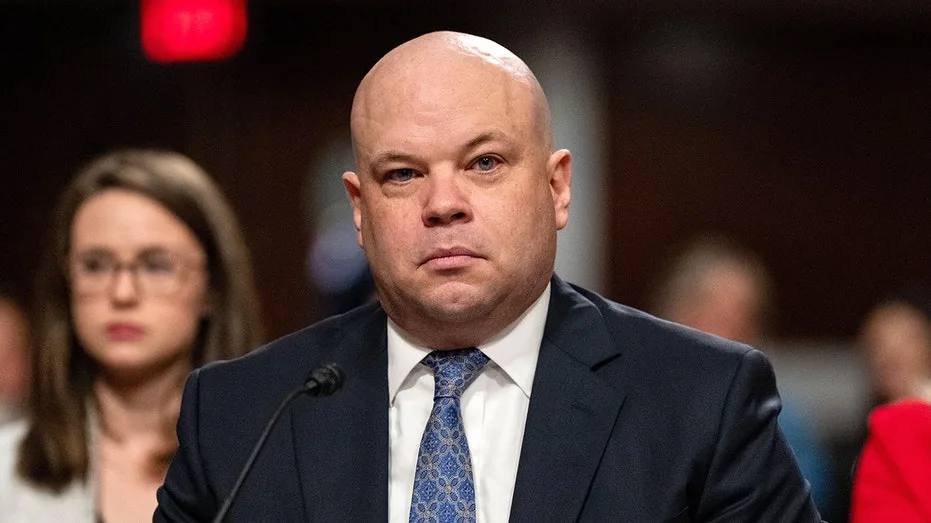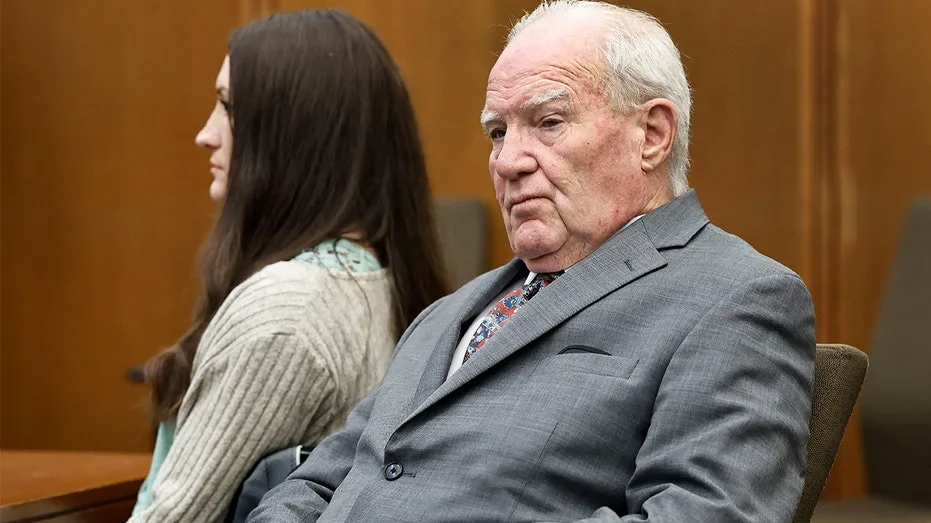
As jurors in the Lindsay Clancy murder trial entered their sixth day of deliberations, having twice informed the judge they could not reach a unanimous verdict, a former attorney for Karen Read commended Clancy's legal representative for his efforts.
David Yannetti, who played a significant role in Read's defense during both her Massachusetts murder trials, described the overwhelming pressure inherent in such situations. "It immediately brings back the stress and the pressure that comes from having somebody's life in your hands and the very worst part of a trial, which is when the jury's out," Yannetti stated. He expressed empathy for Clancy's attorney, Kevin Reddington, acknowledging the difficulty of the moment, yet noting Reddington's apparent confidence.
Yannetti highlighted the unusual nature of both the Clancy and Read cases, pointing out that both defendants are professional women with no prior criminal history or court involvement. He also observed that both cases garnered substantial public support and intense scrutiny from both the media and the general public, despite their differing factual circumstances.
Clancy Trial Deliberations Persist
Lindsay Clancy faces three murder charges in connection with the deaths of her children: Cora, 5; Dawson, 3; and Callan, 8 months old. The jury has several potential verdicts to consider, including first-degree murder, second-degree murder, manslaughter, or a finding of not criminally responsible based on her insanity defense.
On Thursday afternoon, after receiving a new communication from the jury, Judge William Sullivan, who is presiding over the Clancy trial, reiterated the prosecution's burden to prove guilt beyond a reasonable doubt. Following these instructions, jurors were directed to resume their deliberations.
With the jury absent from the courtroom, Reddington made a forceful plea to Judge Sullivan, requesting the removal of a juror he identified as a potential holdout. Reddington asserted that another juror accused this individual of failing to adhere to legal guidelines. However, Judge Sullivan denied this request.
Retired Massachusetts Judge Carol Erskine, who is not involved in the current proceedings, clarified in a public statement that "refusing to deliberate and refusing to agree are not the same thing." She further explained that judges are mandated to exercise "extremely cautious" oversight to avoid interfering with the jury's independent decision-making process.
The court concluded proceedings for the day shortly after 4 p.m., with jurors scheduled to recommence their deliberations on Friday morning for their seventh day.
The Agony of Waiting for a Verdict
Yannetti characterized the waiting period during jury deliberations as "torture." He elaborated that trial attorneys typically strive for control over proceedings, but once a jury retires, their role is reduced to merely observing and waiting. "You're all just sort of on the frying pan, being cooked," he remarked, describing the helplessness inherent in the situation.
Precedent from Read's Previous Trials
Karen Read's initial trial in 2024 concluded with a deadlocked jury after five days of deliberations. In her subsequent trial last year, Read was acquitted of all charges related to homicide, with jurors reaching their decision after four days of deliberation.