Veteran Prosecutor Questions 'Break with Reality' Defense in Lindsay Clancy Murder Trial
A prosecutor known for his work on the Susan Smith case offers insights into the Lindsay Clancy trial, expressing doubt about the defense's claim of a 'break with reality' due to postpartum psychosis.
U.S.·

If you or someone you know is having thoughts of suicide, please contact the National Suicide Prevention Lifeline at 1-800-273-TALK (8255).
A prosecutor who successfully secured a conviction against Susan Smith, a mother who drowned her two young sons, suggests that the defense for Lindsay Clancy has not adequately demonstrated a 'break with reality' as jurors prepare for deliberations following recent closing arguments.
Clancy, 36, is facing three counts of first-degree murder in connection with the deaths of her children—Cora, Dawson, and Callan, all under the age of six—who were discovered strangled at their family residence in January 2023. Prosecutors concluded their rebuttal case recently, with closing arguments preceding the jury's deliberation phase.
Her defense counsel contends that Clancy was experiencing postpartum psychosis when she allegedly killed her children, an assertion that prosecutors have vigorously challenged.
Insights from the Susan Smith Case
Susan Smith, a South Carolina mother, was convicted of the murders of her two young sons, 3-year-old Michael and 14-month-old Alexander, after intentionally allowing her car, with the children strapped inside, to roll into a lake. Prosecutors in that case argued that her actions were motivated, at least in part, by a romantic interest who did not wish to be involved with a woman who had children. Smith received a life sentence for her crimes.
Smith's defense team argued that she was in a fragile mental state and suffered from severe depression, portraying the incident as a botched suicide attempt where she had intended to end her own life along with her sons'.
"So as a prosecutor, what you try to do, and you've seen it in this case, is the prosecutor will point out all the things that she did that it can be mundane. Sometimes people watch and go, why do they care that she ordered dinner? Why do they hear that she sent her husband away or was able to dial the phone or those things? But that's what you're looking at. Was it a break from reality? Or did she just commit a horrible, horrible crime and make a horrible, horrible choice?" Pope stated. "In these circumstances, Clancy had, like I said, all the prior treatment. But I still don't really see the break with reality."
However, the prosecutor noted that a striking difference between the two cases is the apparent absence of a clear motive in Clancy's alleged actions, which was a discernible factor in the Smith murders.
"In this one, it's hard to see the end game," Pope remarked, referencing the murder case against Clancy. "What was her goal after? Let's say that even jumping out the window was a suicidal gesture, which obviously went terribly wrong for her, if that was the case. But what was her end game? And that's one disconnect I see."
Expert Testimony on Stressors and Insomnia
Gregory Saathoff, a forensic psychiatrist from the University of Virginia who consults for the FBI's Behavioral Analysis Unit, testified, stating that financial pressure was among the stressors Clancy experienced and could offer insight into why she allegedly killed her children.
Saathoff explained that Clancy believed her "brain had been damaged" and that she was no longer capable of performing the work she cherished or contributing to her family's support, leading her to feel like a burden.
Defense attorney Kevin Reddington questioned Saathoff about his experience with terrorism, prompting the psychiatrist to acknowledge that sleep deprivation is utilized as a form of torture and that severe insomnia "can actually lead to psychosis." Saathoff confirmed this point, responding, "Yes, it's possible."
Related Stories

Florida Driver Accused of Fleeing Police, Colliding with School Bus Carrying 19 Children
Authorities in Sumter County, Florida, arrested Qahiem Williams, 23, after he allegedly fled a traffic stop, sideswiped vehicles, and then crashed head-on into a school bus transporting 19 children. Fortunately, all the
Aug 27
ATF Investigates Major Cybersecurity Incident Amid Ransomware Group's Claims
The ATF is investigating a significant cybersecurity incident affecting an isolated system. While the Qilin ransomware group has claimed responsibility, the agency has not confirmed the attribution, nor has any evidence
Aug 27

New 911 Recordings Detail Chaos of Deadly Seattle Festival Shooting
New 911 calls reveal the frantic moments following a deadly shooting at Seattle's Bite of Seattle festival. Multiple individuals were reported down, as dispatchers worked to guide first responders and reassure the
Aug 27
Jury Composition Under Scrutiny in Lindsay Clancy Murder Trial as Postpartum Psychosis Defense Emerges
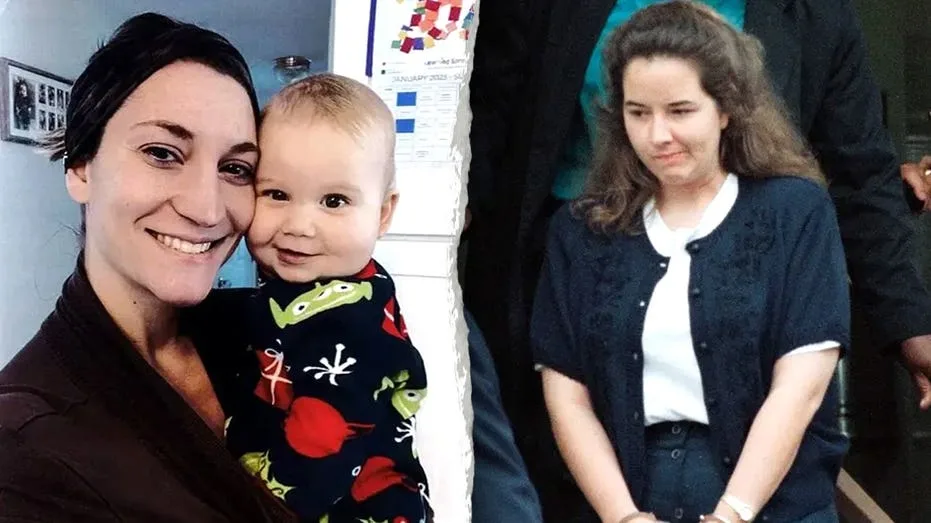
The Lindsay Clancy murder trial is nearing its conclusion, with legal experts speculating on jury dynamics. A prosecutor from the Susan Smith case suggests women jurors might be less sympathetic to a postpartum
Aug 26